
Metal Detector Conveyors
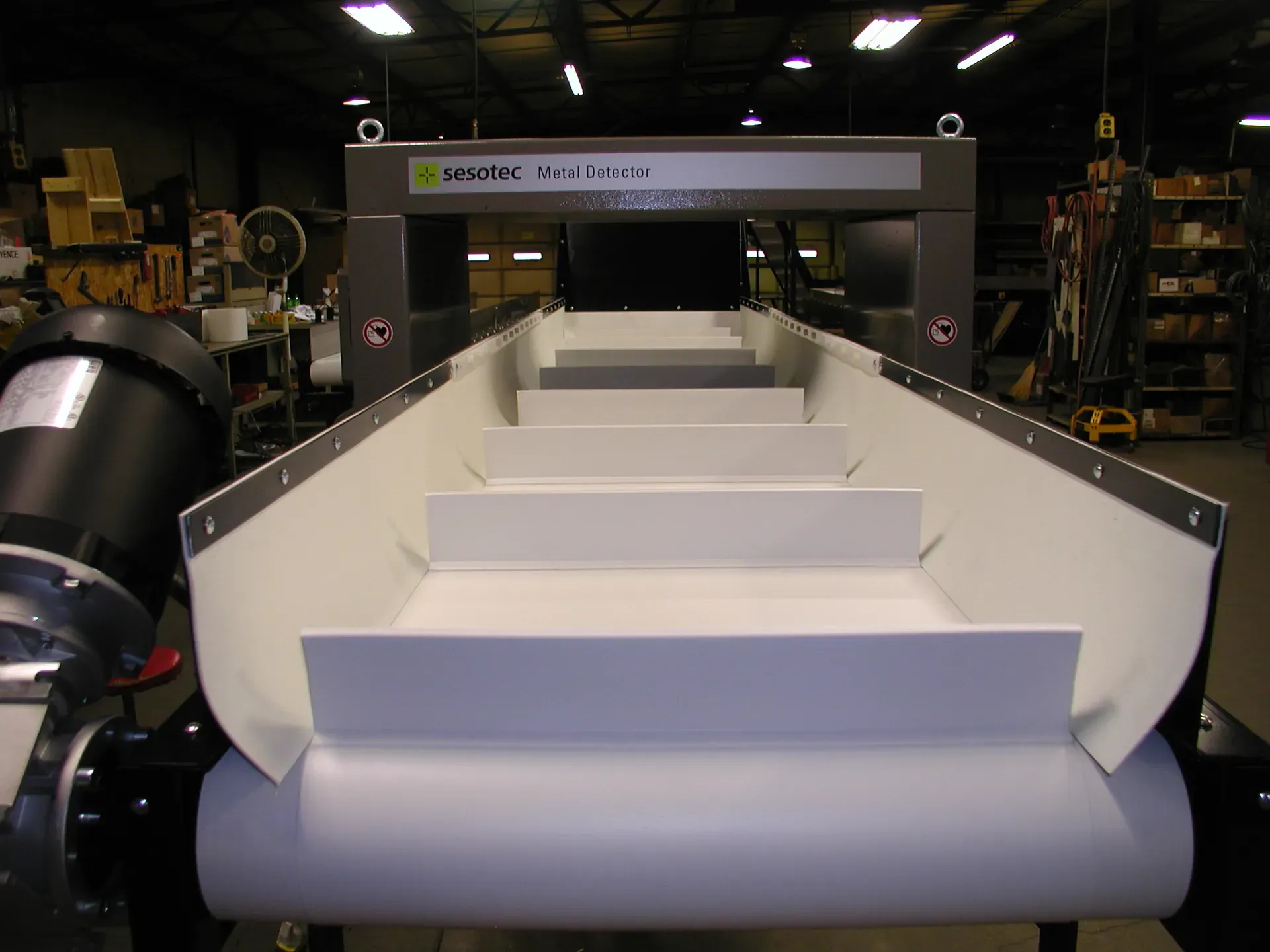
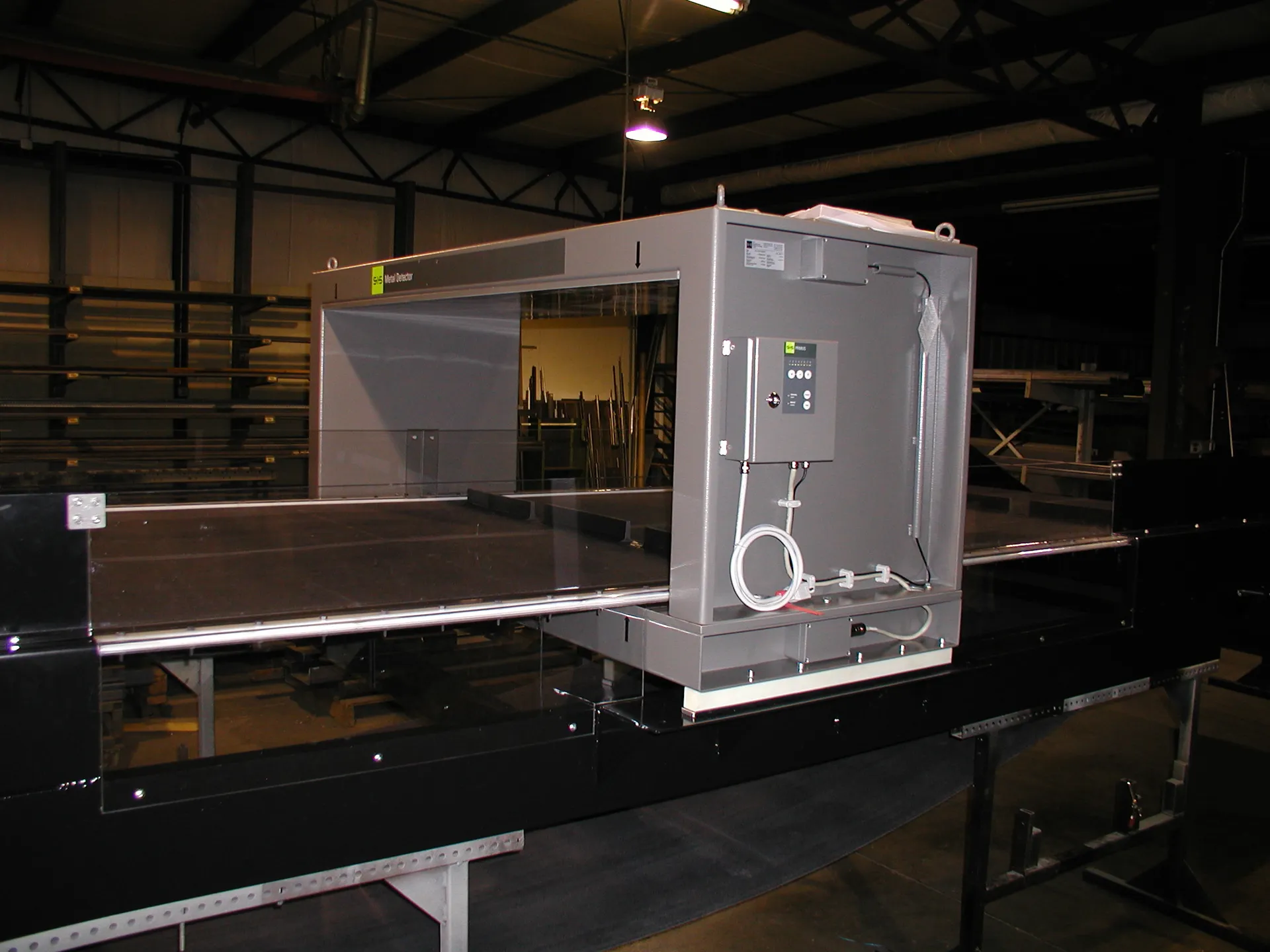
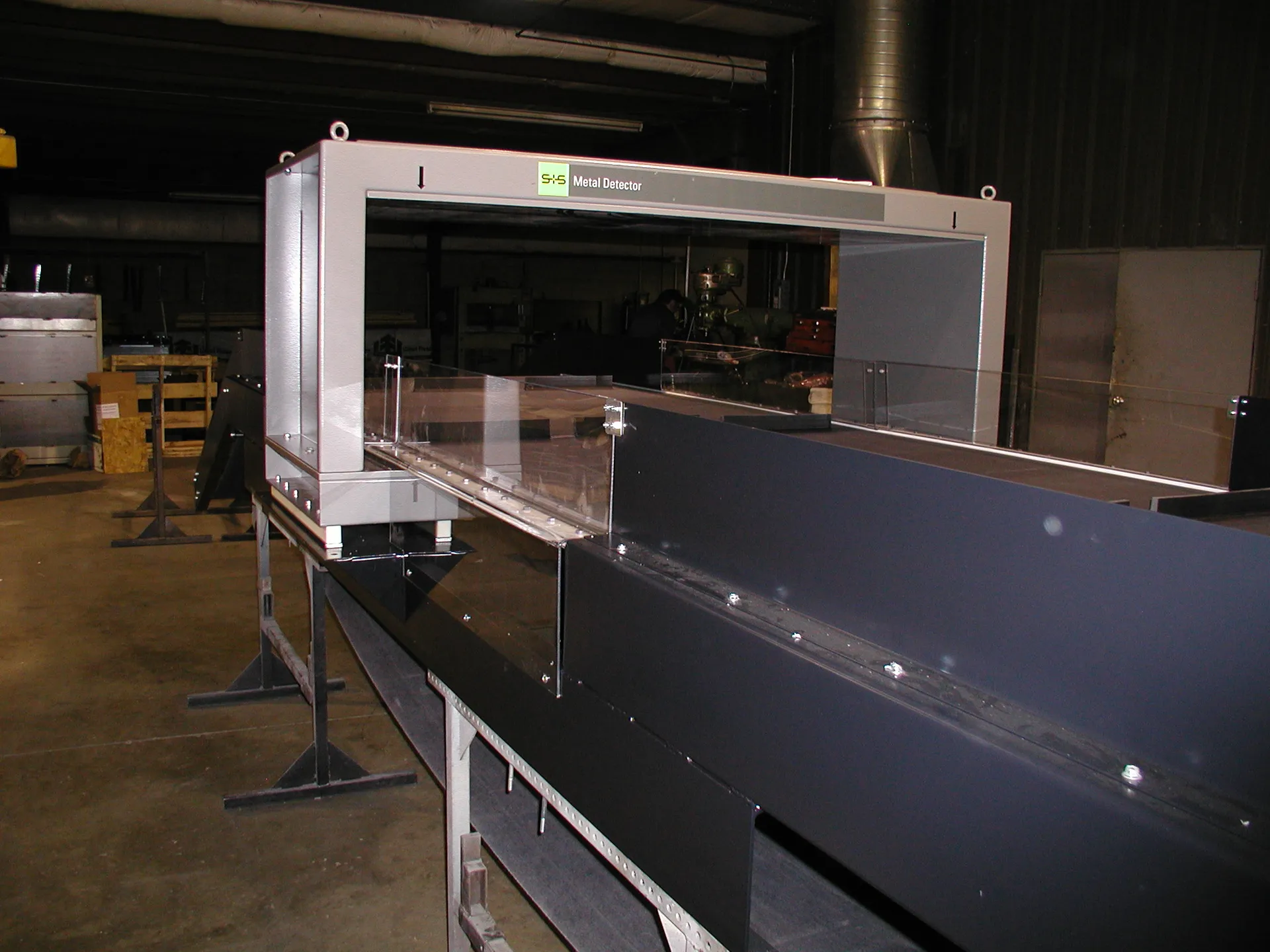
Conveyors with the metal detector built in, wired in our shop so a metal signal stops the conveyor or diverts the contaminated material before it reaches your granulator, shredder, or customer.
Application
Keeping metal out of the process
Screws, inserts, and other tramp metal that reach a granulator or shredder damage the knives and stop production. In molded parts, metal is a quality escape. A metal detector conveyor inspects every part or every pound of material on the belt and acts on the signal automatically.
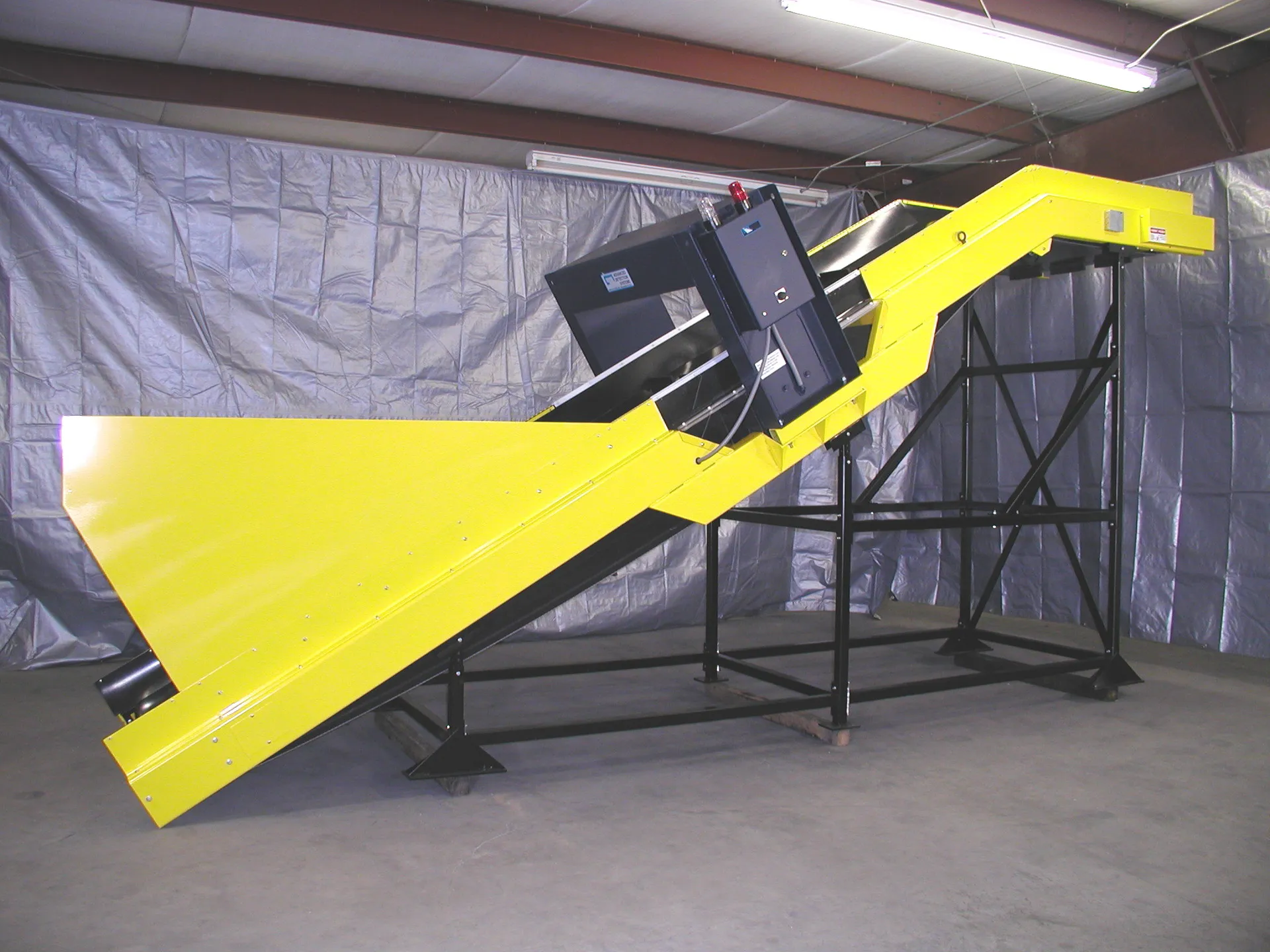
LaRos integrates Sesotec metal detectors on new conveyors and can add a conveyor metal detector to existing conveyors. The detector, the E-stop, and the conveyor motor are wired together through an interface box in our shop, so the system arrives ready to run.
What happens on a metal signal
Detection that controls the line
- Divert: an air-operated Smart-Chute or flop gate sends the material to a reject container, then returns. The line keeps running.
- Stop: the conveyor stops so an operator can remove the metal.
- Alarm: a stack light or horn alerts the operator.
For ferrous metal only, a magnetic head pulley (a magnetic roller at the discharge end of the conveyor) can remove tramp iron and steel continuously as the belt passes over it. A cleated belt is recommended with a magnetic pulley.
Detector types
Choosing a detector
| Single plate | A detector plate mounted beneath the belt. A cost-effective choice for grinder feed and shredder feed conveyors. |
|---|---|
| Double plate | Plates above and below the belt for higher sensitivity across a deeper product layer. |
| Aperture (tunnel) | The belt passes through the detector opening. The highest sensitivity, often used for molded part inspection. |
| Magnetic head pulley | Removes ferrous metal continuously. Does not detect non-ferrous metals. |
The right detector depends on the material, the depth of the product on the belt, and the size and type of metal to be caught. Tell us what you need to detect and we will recommend the detector.
For your quotation
Information for your quotation
- What is on the belt (parts, regrind, purgings, scrap) and how deep it runs
- The metal you need to detect, and the smallest size
- What should happen on detection: divert, stop, or alarm
- Whether shop air is available for an air-operated reject chute
- New conveyor, or a detector added to an existing conveyor (send the LaRos serial number if it is one of ours)
In the shop
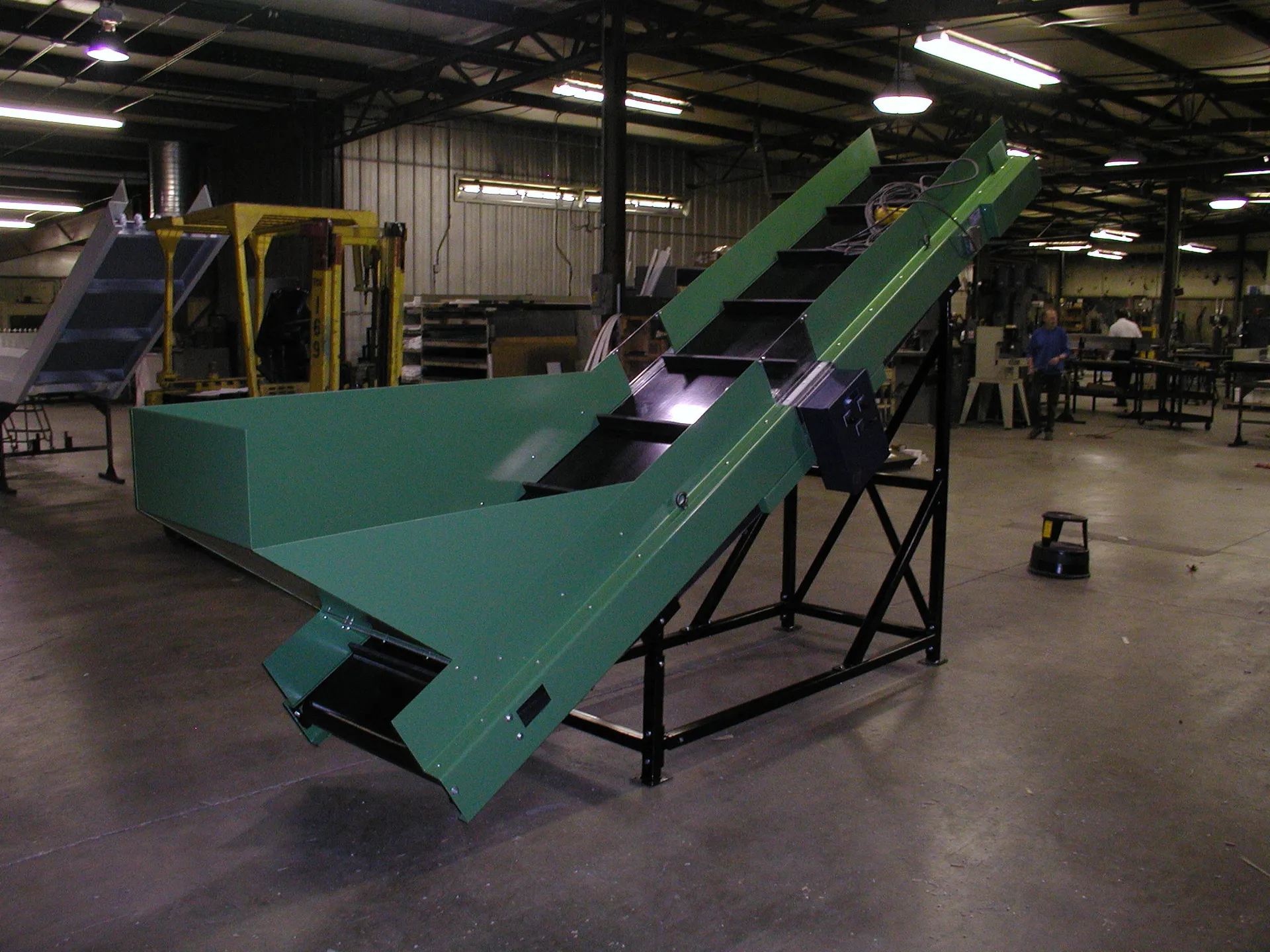
Metal detector conveyors from our shop
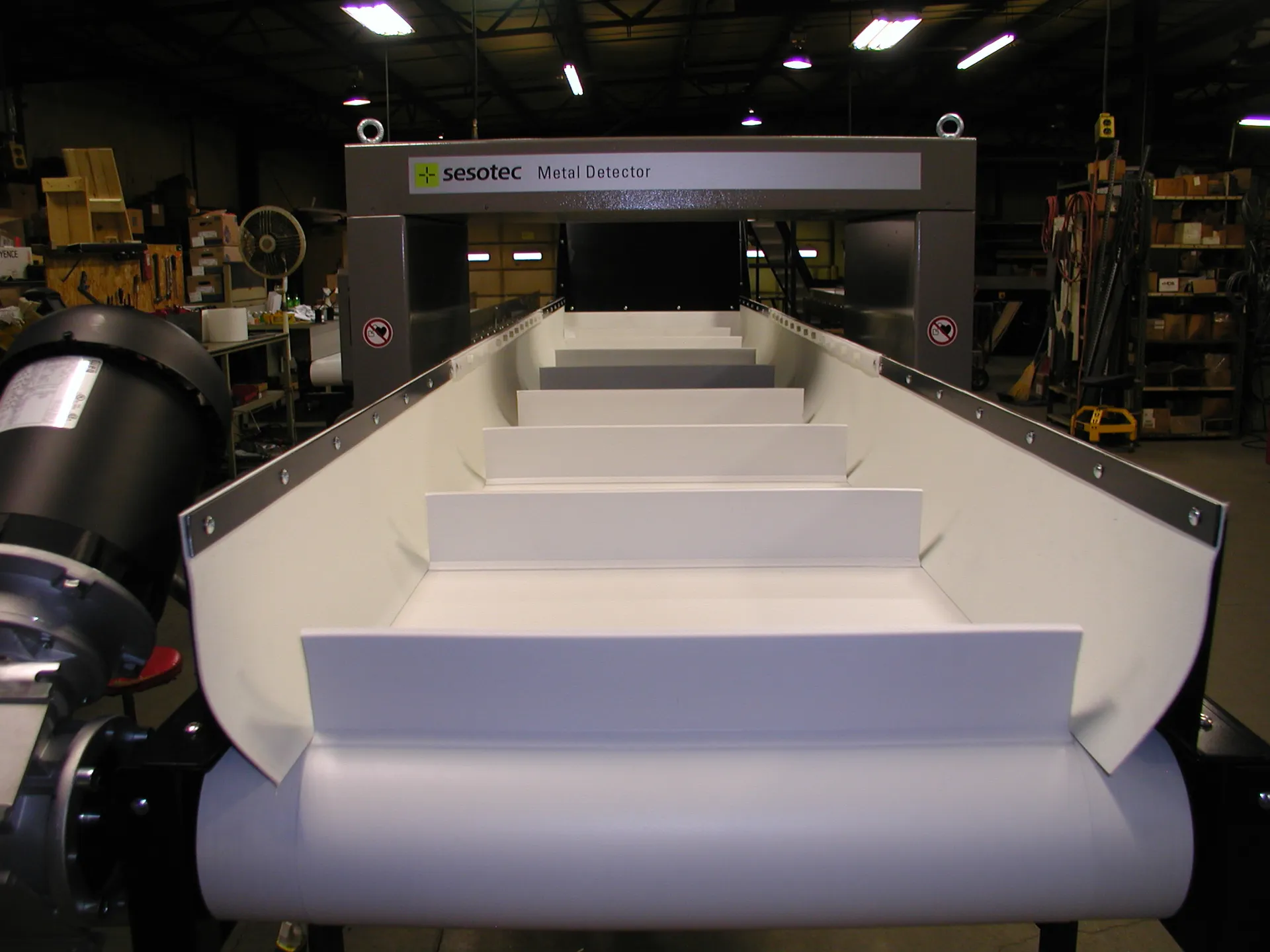
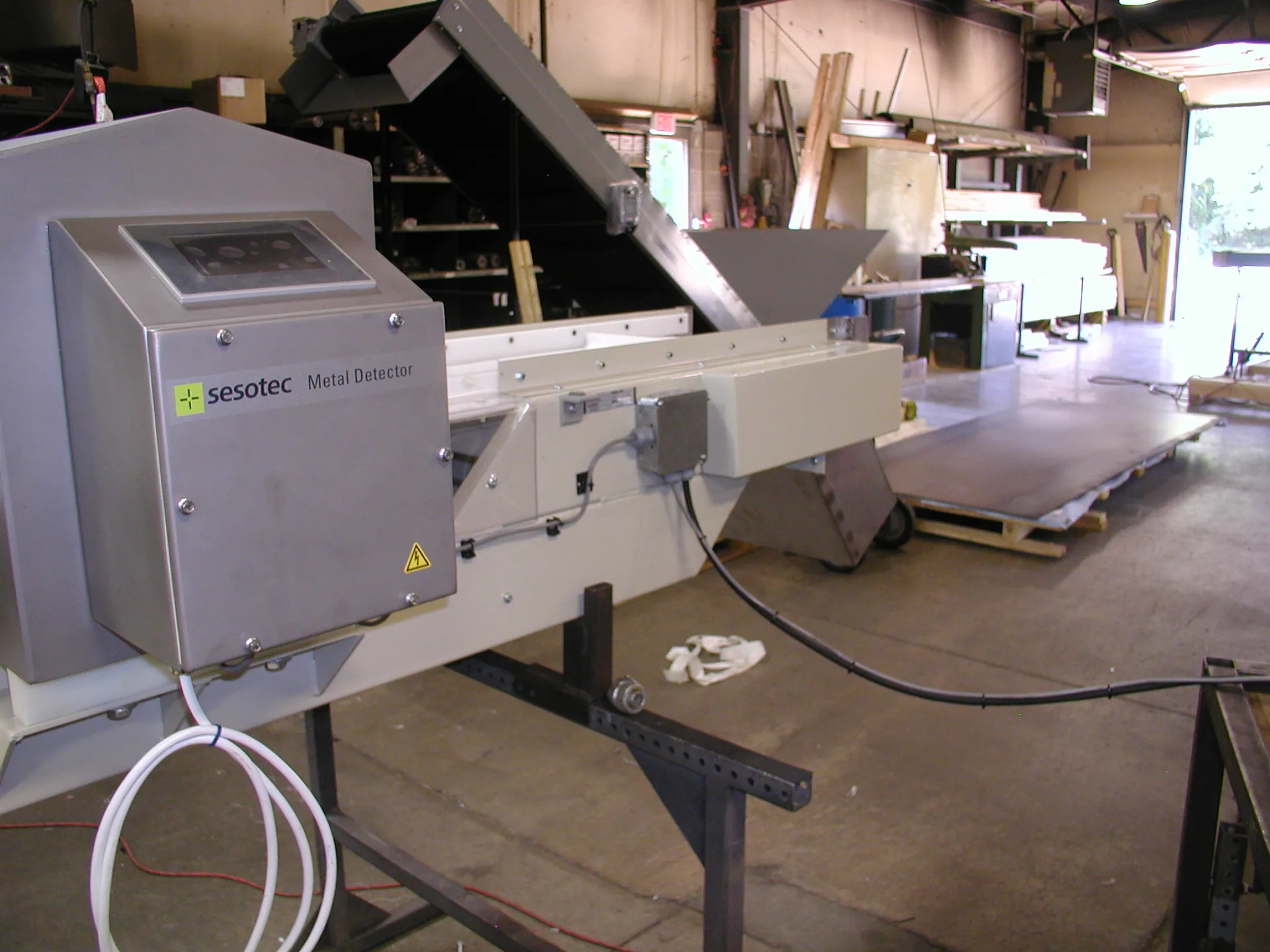
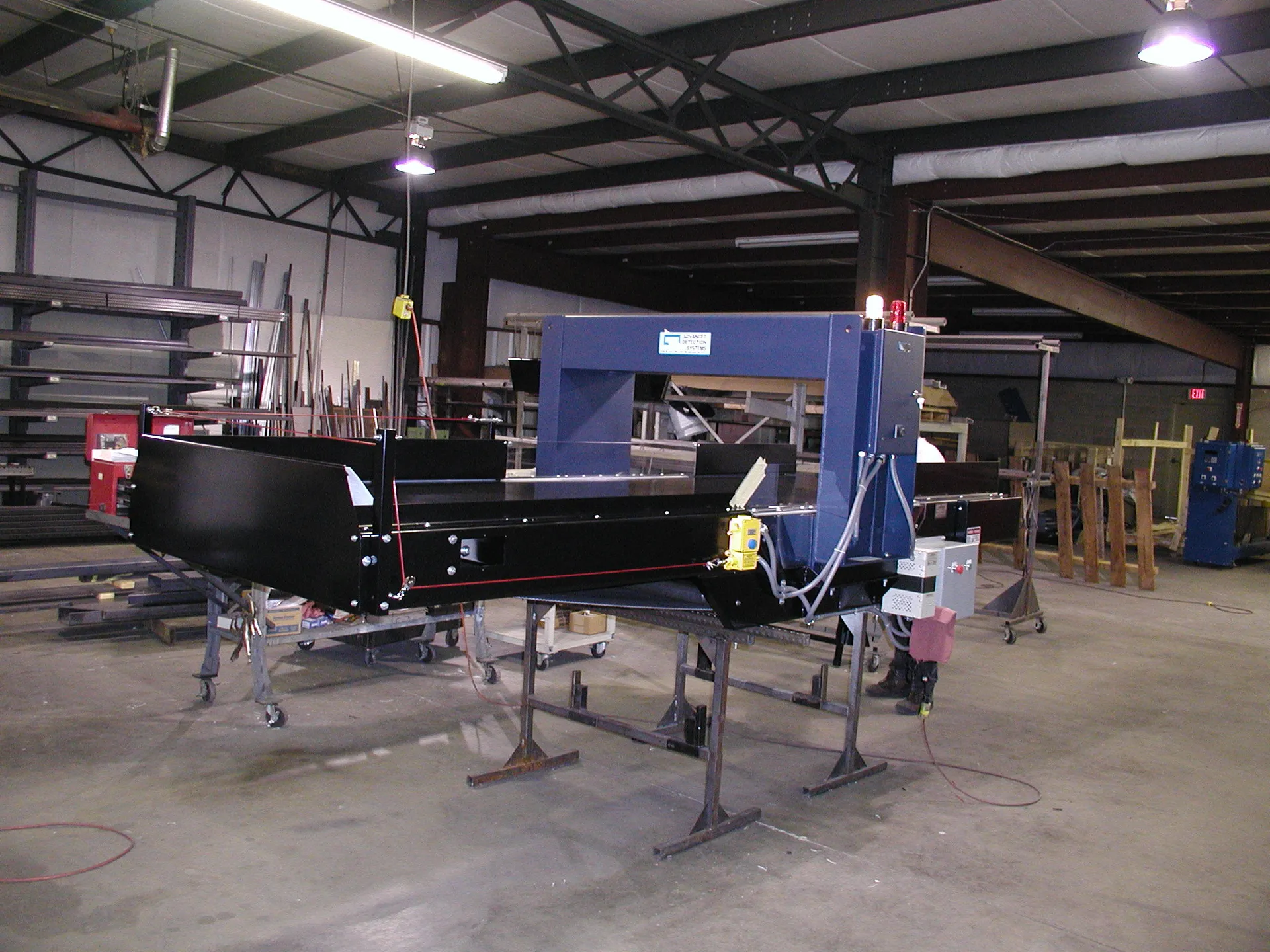
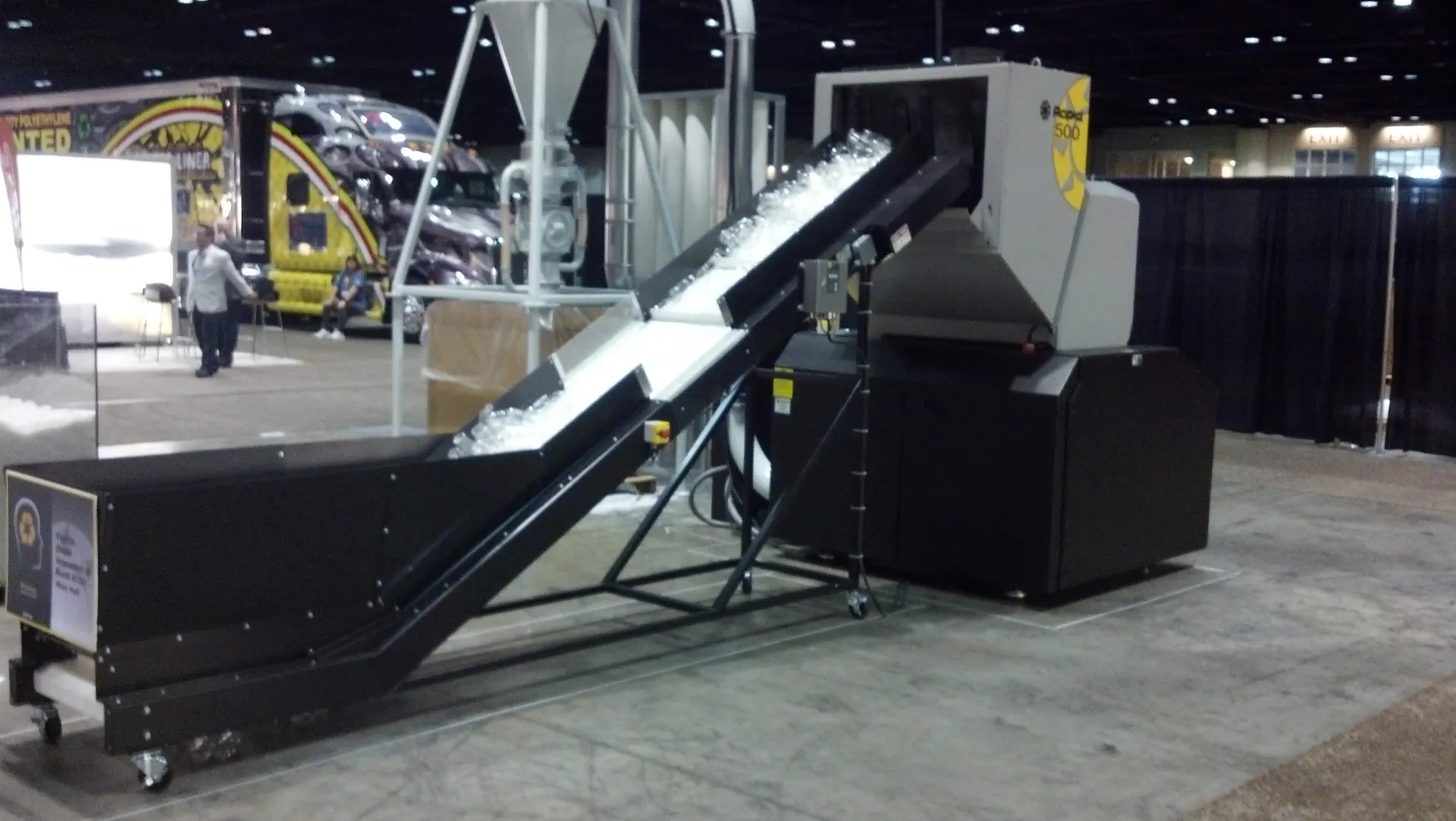
Every LaRos conveyor is built on heavy-duty frames with large crowned pulleys and enclosed drives. How LaRos conveyors are built
Available options
- Reversing
- SMART-VEYOR Automatic Reject Control
Request a quotation
Tell us about your parts, the equipment the conveyor will serve, and the space available. We will review your application and return a drawing and a quotation. To replace or duplicate an existing LaRos unit, send us the serial number from the nameplate.